
.png)
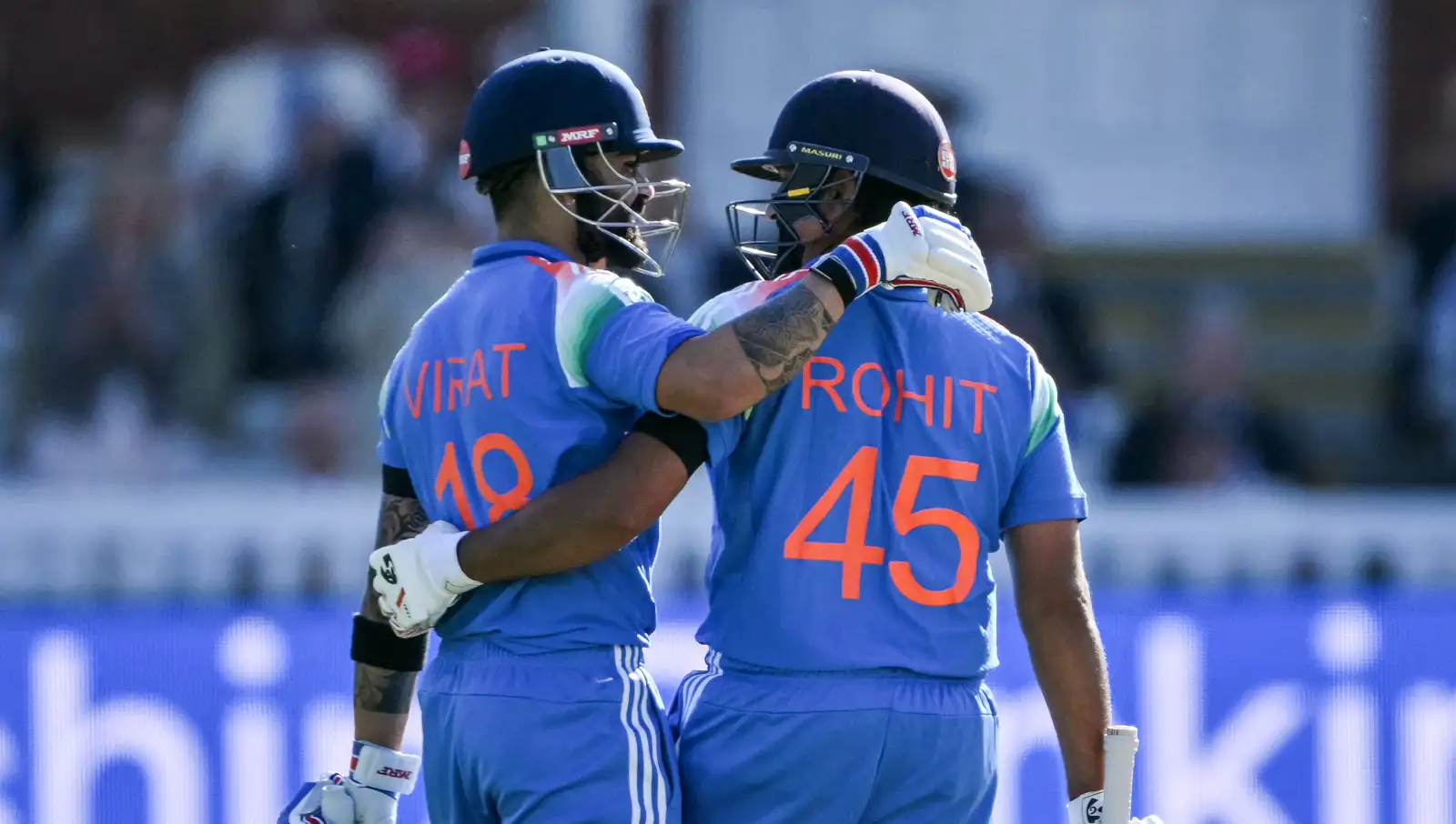
Rohit Sharma's international retirement looms, and it overshadowed an entire England versus India ODI series. The cricket itself became secondary. The dominant question was singular and relentless: when does India's legendary former skipper walk away?
That scrutiny shines a hard light on what may be the most complex psychological battle any elite athlete faces. Knowing when to stop is a delicate art, pulled in three directions at once — personal pride, physical decline, and institutional pressure from selectors who answer to results, not sentiment.
Ben Stokes calling time on his international career just under a month ago almost certainly amplified the noise around Rohit. One legend's exit invites comparisons. It always does. The cleanest version of retirement is walking out on your own terms, while the crowd still wants more. It preserves the legacy and controls the narrative entirely. It also demands a self-awareness that very few elite competitors actually possess.
The harder path is the one many great players end up on — staying until the selectors blink first. For the fiercely competitive, voluntary surrender is psychologically impossible. Rohit appeared to be treading that line, reportedly attempting to hold on long enough to make India's squad for the 2027 ODI World Cup. Then he hit a century at Lord's and reframed the entire conversation. Rohit and Virat Kohli have already demonstrated the art of the format-specific exit, both stepping away from T20 internationals after winning the World Cup — the fairy-tale ending executed cleanly.