
.png)
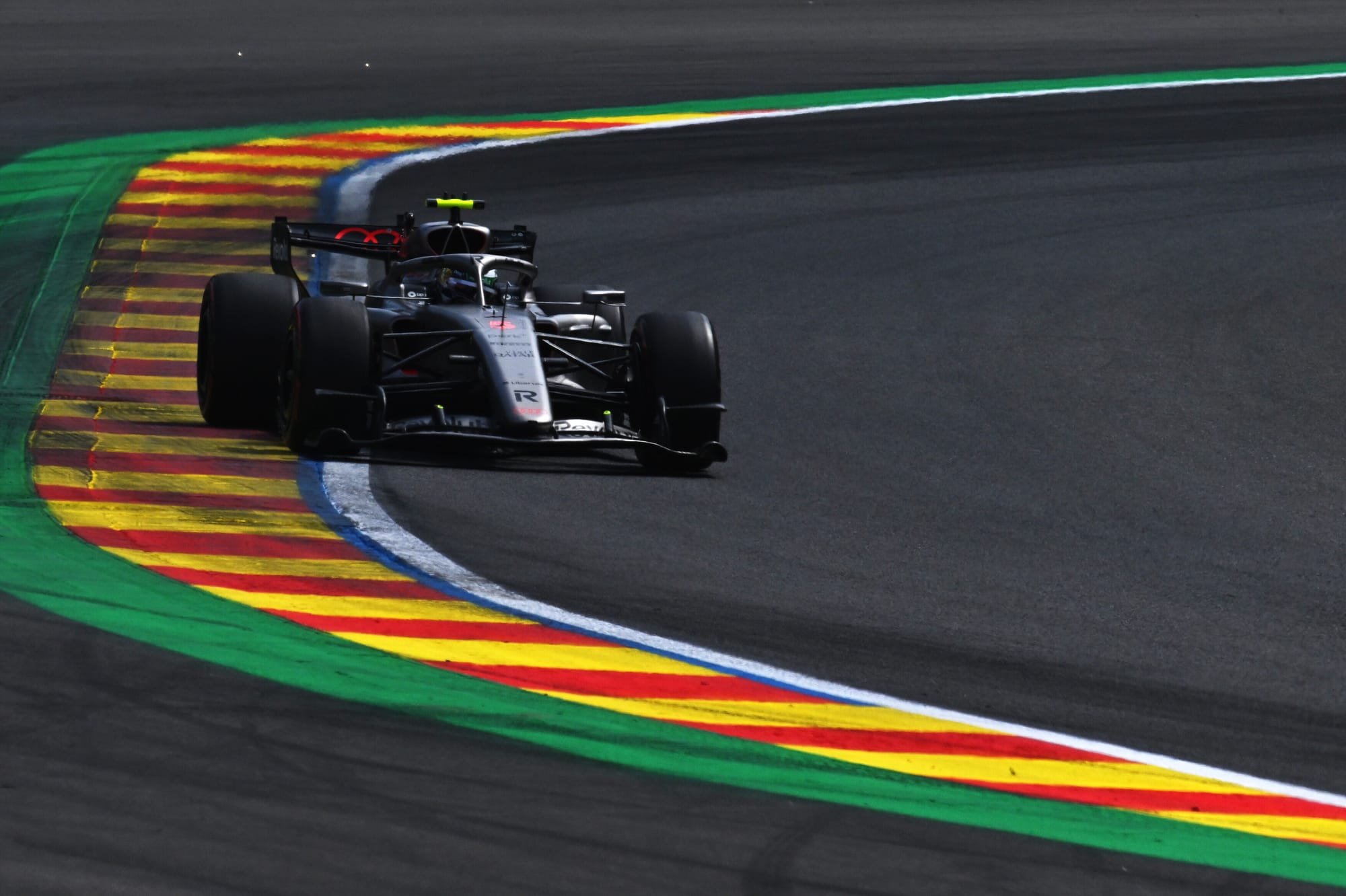
Audi has been talking a big game about its R26 chassis all season. Hungary is where that talk gets tested against a stopwatch.
Audi's Quiet Resurgence After Early Struggles
After a stuttering start — debut points in Australia followed by seven consecutive races without either driver cracking the top ten — Audi has quietly found its feet. A power unit upgrade at the Spanish Grand Prix, centred on a smaller turbo to address drivability, sparked back-to-back points finishes in Britain and Belgium. Gabriel Bortoleto has been the sharper of the two drivers through that run, and a smart VSC call at Spa helped maximise the Belgium result.
The engine deficit is real and well-documented. The FIA's own ADUO rankings put Audi at least four percent behind the field on power. Racing director Allan McNish isn't hiding from that. But his framing of where the R26 does work is pointed: medium and high-speed corners, with strong efficiency numbers to back it up. Low-speed still needs work, he admits, but the Hungaroring's character leans heavily toward the segments where McNish says Audi excels.
Chassis Strengths Cannot Overcome Power Deficit
Audi F1 project leader Mattia Binotto has maintained all season that the team has a top-four chassis. Bortoleto went further at the Austrian GP, arguing that matching Mercedes or Red Bull on top speed would have had him fighting for a podium at the Red Bull Ring. Bold claim. But Racing Bulls' Arvid Lindblad conceded after Spa that the Audis are genuinely faster through the corners — while noting Racing Bulls hold an edge on the straights and in qualifying trim.