
.png)
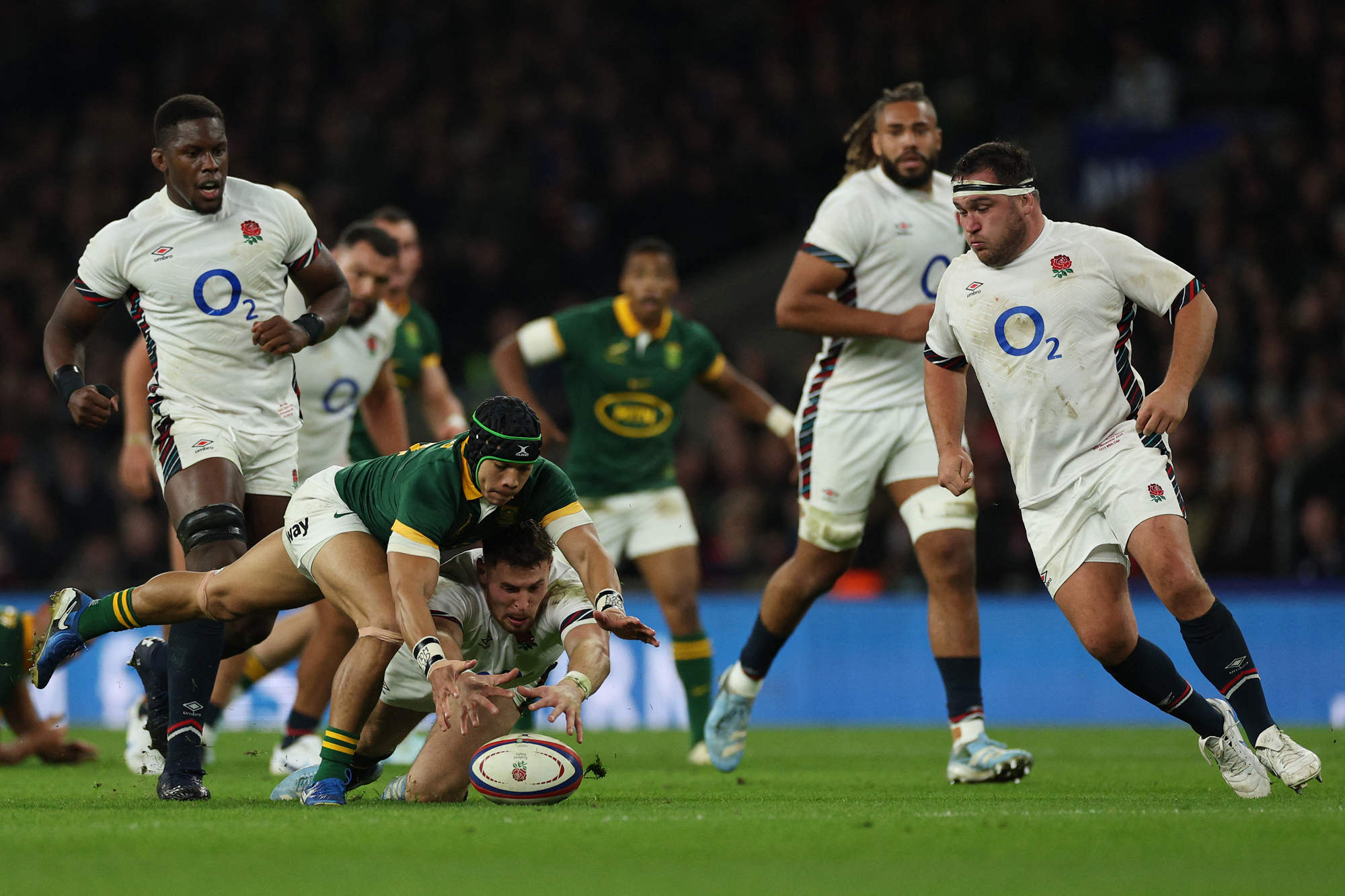
Rugby's most ambitious international competition launches on Saturday 4 July, and the Nations Championship is exactly the kind of blockbuster stage the Springboks were built for. This is not another regional tournament searching for meaning. It is the first structured competition to pit the Six Nations heavyweights directly against the southern hemisphere elite, Fiji included, in a format where every result shapes a genuine global pecking order.
The mechanics are straightforward. England, France, Ireland, Italy, Scotland and Wales enter from the north. South Africa, along with the southern hemisphere's other elite nations, enter from the south. Fiji's inclusion reflects how far Pacific Islands rugby has forced the establishment to pay attention. The result is the most representative international competition the sport has produced.
For Springbok supporters, the tournament's opening weekend delivers immediately. South Africa face England in a headline fixture that sets the tone from minute one. There is no warm-up act here, no easing into the competition. The Boks meet one of the Six Nations' traditional powers in a match that carries the full weight of what this tournament is designed to prove.
What separates the Nations Championship from what came before is the scale of consequence. Regional competitions have always carried an asterisk — southern hemisphere teams never tested against the best European sides in a competitive setting, and vice versa. That excuse is gone. This format produces a definitive answer to questions that have circled international rugby for decades.