
.png)
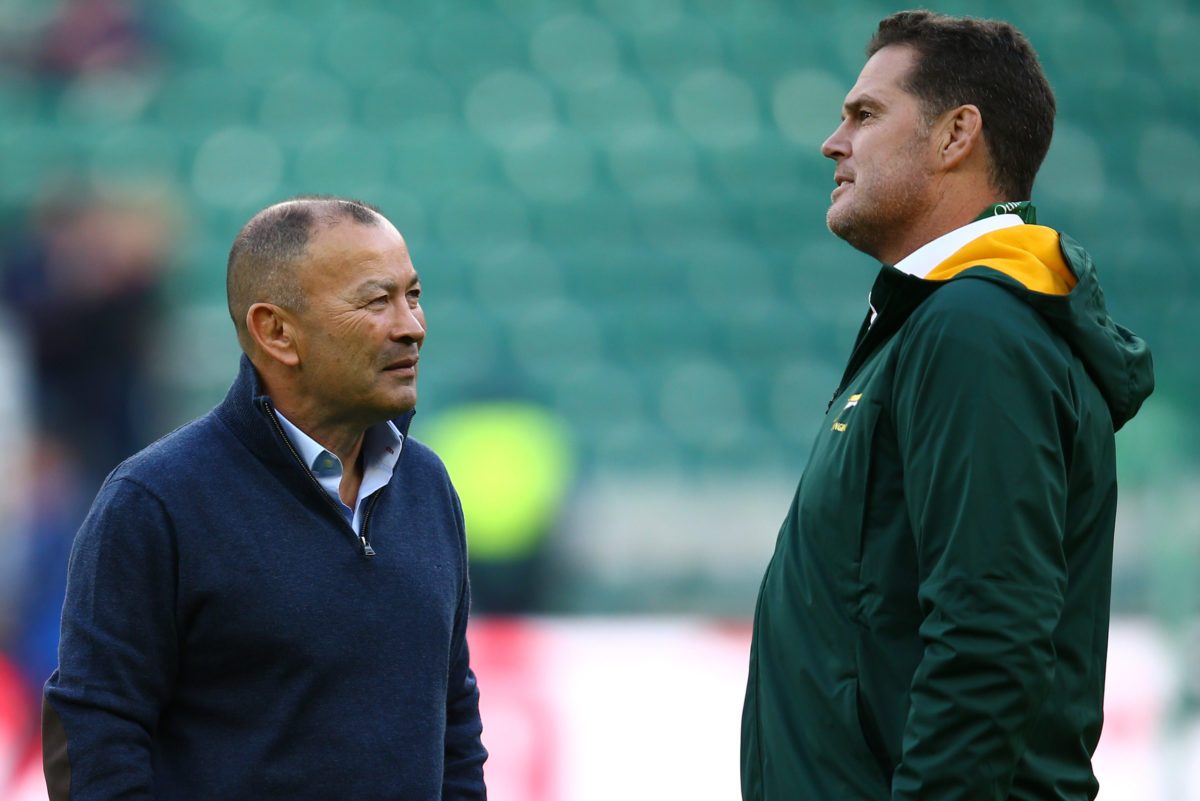
Rassie Erasmus has publicly backed Eddie Jones after the Japan head coach levelled serious accusations at Irish rugby's leadership, alleging they have used their influence with World Rugby to secure favourable Test scheduling for Ireland.
Erasmus's endorsement is not a throwaway comment. The Springbok director of rugby has his own well-documented history with World Rugby's administration and knows exactly what it means to challenge the game's power structures from the outside. When he backs someone for speaking out, the rugby world pays attention.
Jones's accusation cuts to the heart of how global Test rugby is governed. The argument — that Ireland benefit from preferential scheduling arrangements engineered through backroom influence — is a serious one. Fixture timing in international rugby is not a trivial matter. It shapes preparation windows, recovery time, and ultimately tournament momentum. Jones believes Ireland have had that lever pulled in their favour, and he said so publicly.
Erasmus clearly sees a kindred spirit. Both men share the same operating philosophy: interrogate decisions that don't add up, demand transparency from administrators, and refuse to accept bureaucratic deflection as an adequate answer. That is not rabble-rousing — it is accountability, and it is exactly the kind of posture South African rugby has come to associate with Erasmus himself.
World Rugby has not yet responded publicly to Jones's accusations. Whether the governing body engages with the substance of the complaint or dismisses it will say a great deal about how seriously it takes governance concerns raised by coaches outside rugby's traditional power centres.
For now, Jones has a powerful ally. And with Erasmus in his corner, this conversation is not going away quietly.